
Last winter, we explored how birds survive the bitter cold. As summer temperatures soar, it's worth asking another question: How do birds cope with extreme heat?
Like many animals, birds adjust their daily routines to avoid the hottest part of the day. They are most active during the cooler morning and evening hours, conserving energy and seeking shelter when temperatures peak.
Birds actually have higher body temperatures than mammals, with many species maintaining body temperatures around 100°F or even slightly higher. Unlike humans and many other mammals, birds cannot sweat, so they rely on several remarkable adaptations to stay cool.
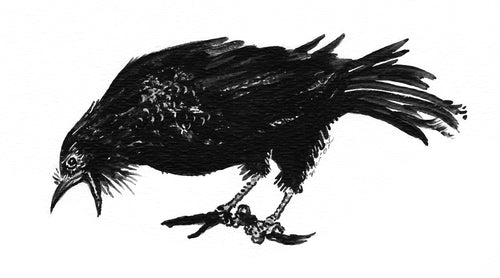
They may adjust the position of their feathers to improve airflow or circulate air through their highly efficient respiratory system, which includes a network of air sacs that helps regulate body temperature. Many species, including familiar backyard birds, also "gape" by holding their beaks open and panting, much like a dog. Others flutter the thin skin on their throats—a behavior known as gular fluttering—to increase evaporative cooling.
When temperatures climb, birds also seek shade, perch in cooler, lower areas, and take advantage of birdbaths, fountains, and shallow ponds to cool down and stay hydrated.
There are several ways people can help birds during periods of extreme heat. Providing a shallow source of fresh water in a safe location—away from places where predators can easily ambush birds—can make a significant difference. Be sure to clean birdbaths regularly to help prevent the spread of disease.
Keeping bird feeders stocked is another simple way to help. During very hot weather, birds may spend less time foraging, and an easily accessible food source helps them conserve energy. This is especially important as insect populations—the primary food source for many birds—continue to decline due to habitat loss, climate change, and pollution.
Over the long term, creating a bird-friendly landscape with native shrubs, trees, and layered vegetation provides much-needed shade, shelter, and habitat. These natural refuges not only help birds withstand summer heat but also support them throughout the year.